CIPA

Children of Incarcerated Parents in Africa

CIPA

Children of Incarcerated Parents in Africa
● Our Vision

CIPA represents a collective voice that champions the rights and well-being of children in Africa with a parent, caregiver, or both parents incarcerated on long or short-term prison sentences.

We are made up of community activists and aligned partners in advocacy, research and policy across Africa.

Why we exist

Over 4 million children across Africa have an imprisoned parent (INCCIP, 2019).

This includes foetuses, infants and young children incarcerated with their mothers, and those committed to charitable children’s institutions after parents have been incarcerated.

Children of incarcerated parents are at serious risk of harm including neglect, abuse, ruptures in family relationships, disrupted education, stigma, and wide-ranging detrimental psychological impacts.

● Our Mission

1. Strengthen grassroots organisations across Africa to realise their potential through the development of context specific resources, and stronger access to partnerships and funding.

2. Promote evidence-based research of the challenges facing children of incarcerated parents in Africa, by connecting researchers with CIPA partners, to influence policy and practice.

3. Advocate for changes in practice and policy to champion the rights and best interests of children with incarcerated parents by raising awareness of challenges specific to the African continent.
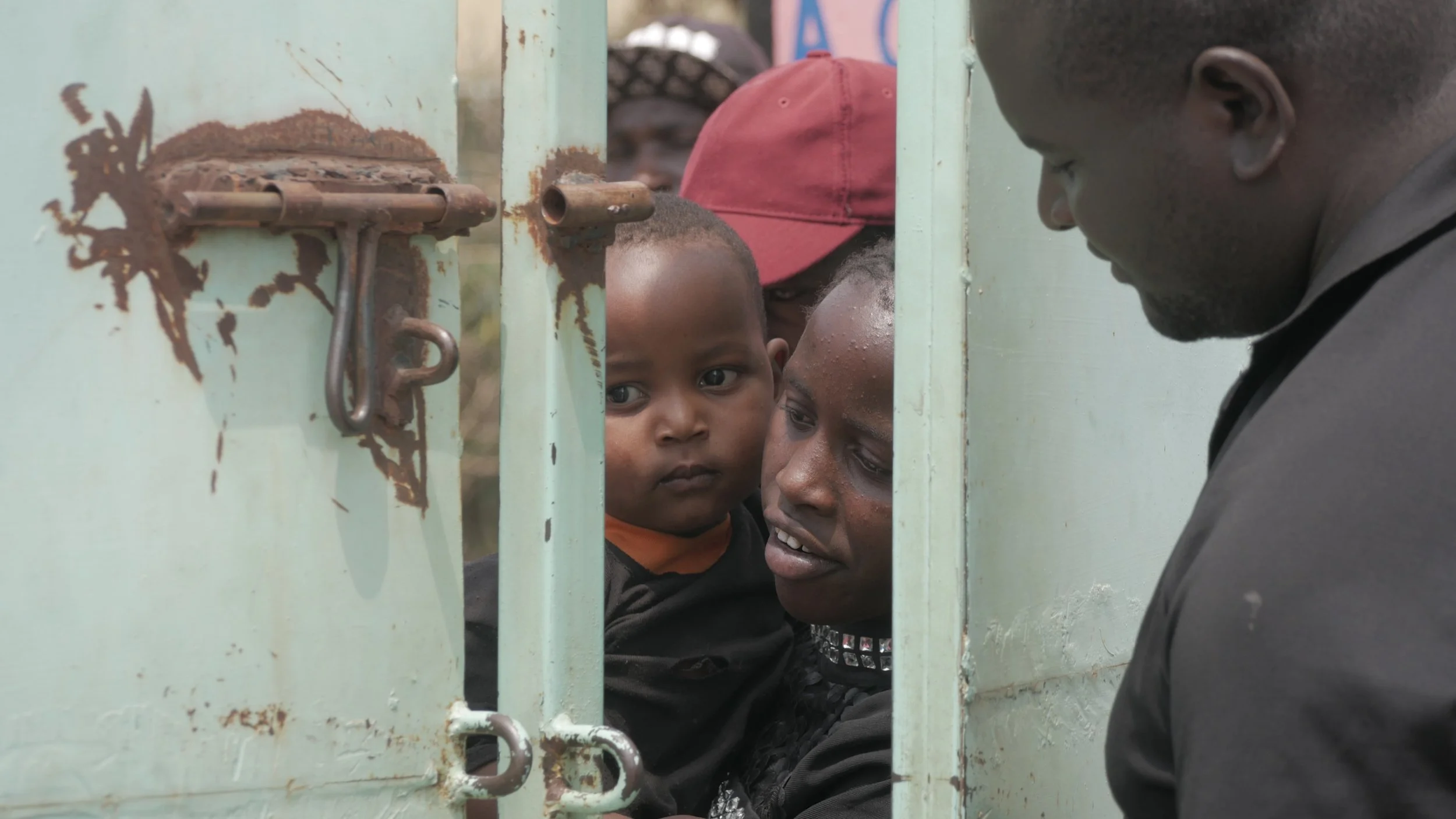
A caregiver holds a toddler beside a worn metal gate with an open padlock, while an adult man stands on the other side, reaching to open or close it.

Ways to get involved

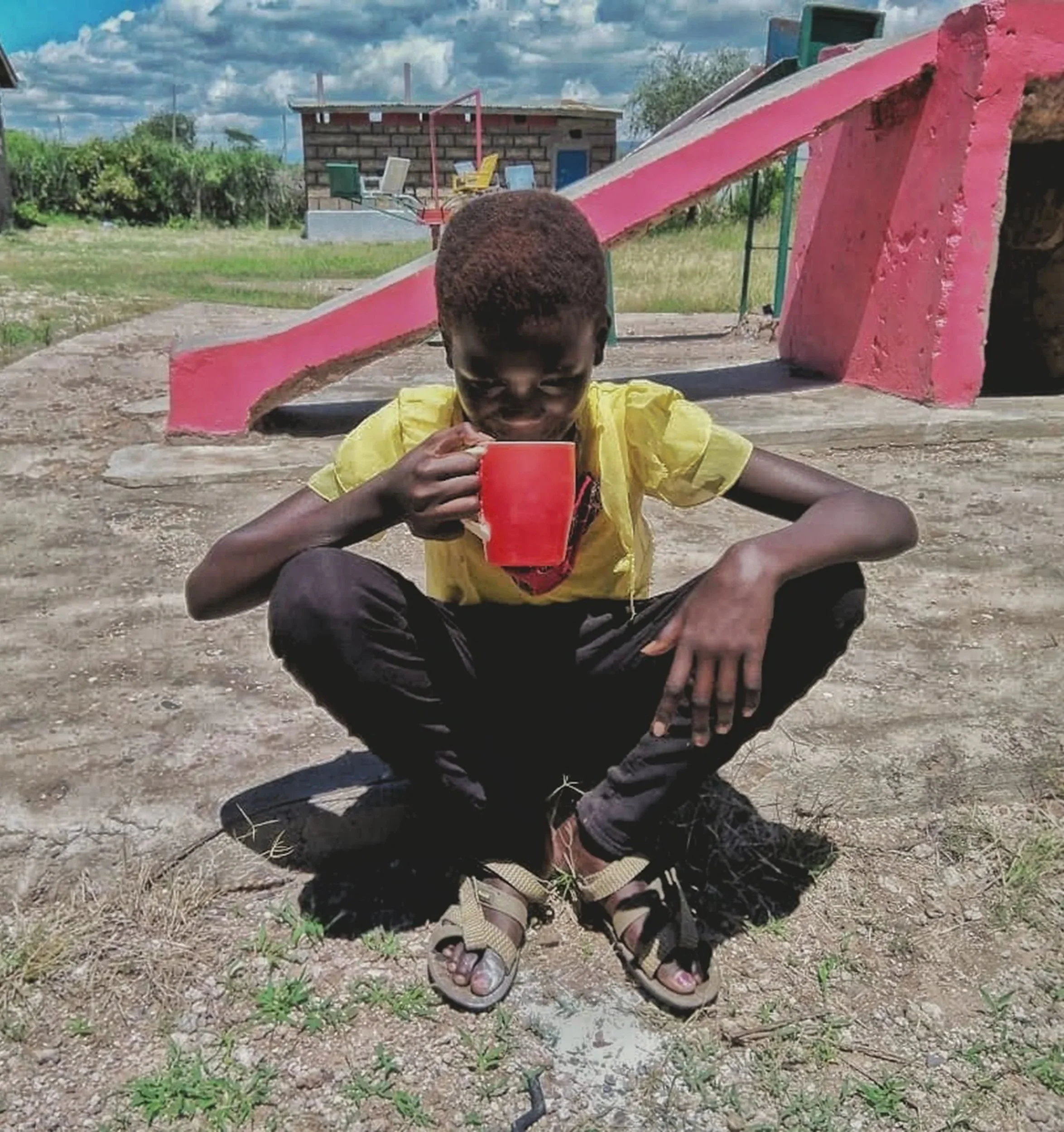
A child crouches on the ground outdoors, holding a red cup to their mouth, with a playground slide and a small building in the background.

Join our Network

We bring together organisations, community activists, and aligned partners involved in support and advocacy of children of incarcerated parents in Africa.
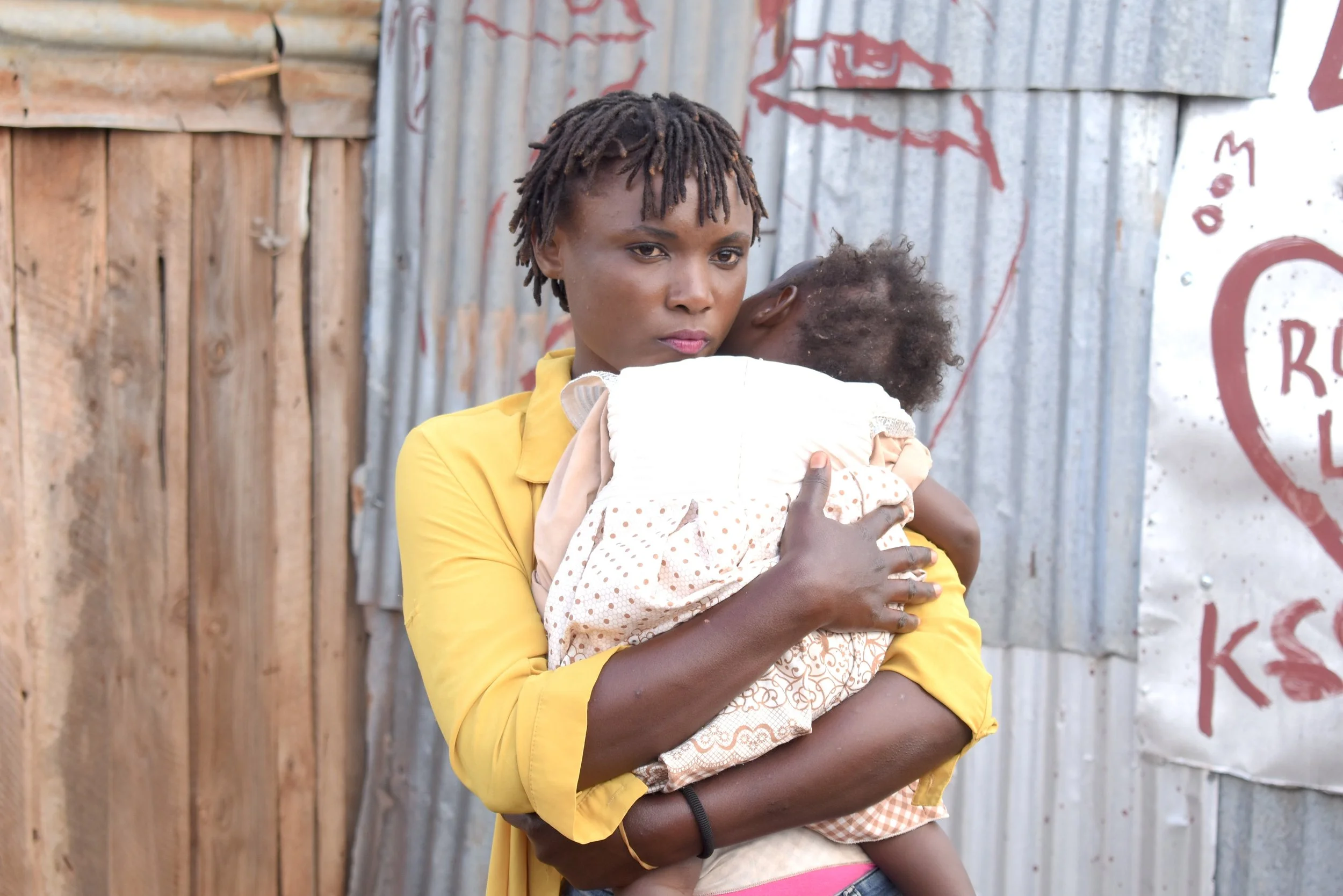
An adult woman cuddles a small child against their shoulder and looks preoccupied, standing in front of a corrugated metal building.

Support us

We work with funders, policy actors, and strategic partners to build capacity and scale solutions to ensure the needs of these children are no longer overlooked.
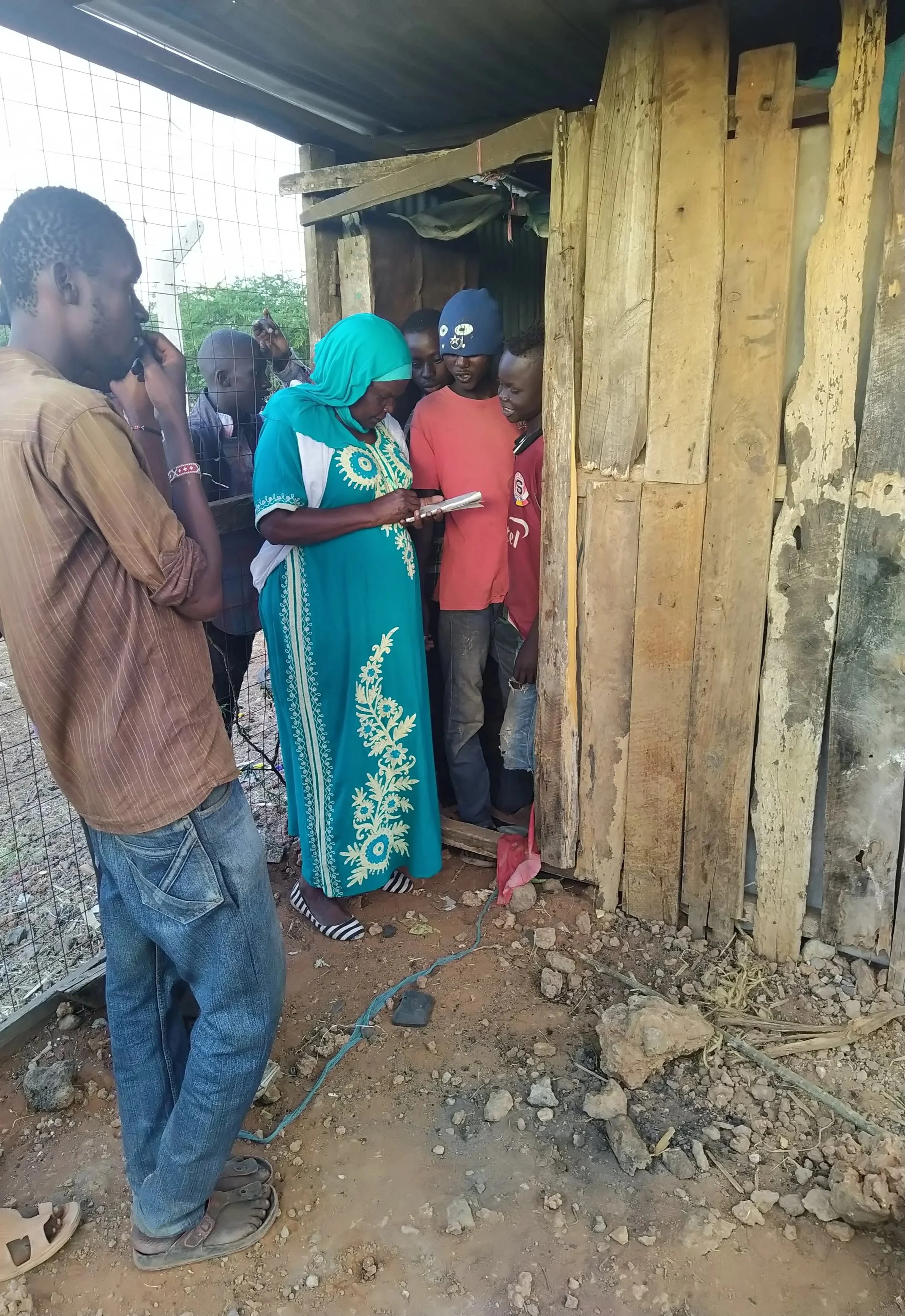
A group of male adults and teenagers stand closely together at the entrance of a small wooden structure, with an older woman wearing a headscarf writing in a notebook while others look on.

Research Collaborations

We aim to connect researchers with our partners to amplify children’s voices, and build data to identify specific needs to inform policy and practice reforms.


  • “The Committee is seriously concerned about reports of a serious lack of nutrition and poor sanitary conditions for infants and children sharing prison cells with their mothers who are awaiting trial or serving sentences for committing various offences.”

    UN Committee on the Rights of the Child, Concluding Observations on Zimbabwe, 2016, para. 54

  • “(a) The living conditions for young children in detention facilities with their mothers are poor; (b) Lactating mothers are having difficulties in providing proper nutrition for their infants owing to the poor quality of food provided in the detention facilities.”

    UN Committee on the Rights of the Child, Concluding Observations on Eritrea, 2015, para. 51

  • "Sometimes I feel different from other kids like I have a secret I cannot share. But when I am here I feel understood."

    12-year-old participant of Let’s Talk Sessions at Jedidiah trust, Zimbabwe.

  • “…The Committee also expresses concern at reports that a high number of mothers are detained with their babies in extremely difficult conditions.”

    UN Committee against Torture, Concluding Observations on Rwanda, 2012, para. 19

  • “I really fear for my children, especially the second child, who has sickle cell. It will be difficult for him to take care of himself in my absence. He easily gets sick, and I feel sad and worried that I will not be there for him when he is in crisis. I really fear for his life. At times I feel he might die since I am not there.”

    33-year-old mother of 3 children serving a 7-year prison term in Ghana (Adu-Poku, 2024, p. 174, International Criminology)

  • The global female prison population has risen sharply and faster than the male prison population since 2000, largely due to punitive responses to poverty and drug-related offences. The female prison population has increased 24% since 2000 in Africa.

    Van Hout et al. (2025), The Lancet Obstetrics, Gynaecology, & Women’s Health, 1(4)

  • “…many women and girls in detention are not systematically separated from male detainees, are subjected to neglect, ill-treatment and abuse, and lack adequate access to medical care, including for their young children.”

    UN Committee on the Elimination of Discrimination against Women, Concluding Observations on South Sudan, 2021, para. 48

  • Around 90% of African countries with available data report overcrowded prison systems operating at more than 100 per cent of their planned capacity.

    UNODC, Prison Matters 2025: Global Prison Population and Trends, 2025